Quality Evaluation in Metal Necklace Manufacturing

application/necklace-a, application/necklace-a, 
Inquiry
Inquiry

necklace a

When it comes to sourcing high-quality metal necklaces, understanding the manufacturing process, quality standards, and customization options is crucial for B2B buyers. As a key component in the jewelry industry, metal necklaces must meet specific design and functional requirements to satisfy end consumers. This article will guide purchasing managers and distributors through the essential aspects of evaluating metal necklace manufacturing, including quality assessment, bulk order specifications, retail display installation, common order issues, and diverse applications across different industries.

Specifications You Need for Bulk Orders of Necklaces

Specifications You Need for Bulk Orders of Necklaces

When placing bulk orders for metal necklaces, several specifications must be clearly communicated to ensure the final product meets expectations. Key specifications to consider include:

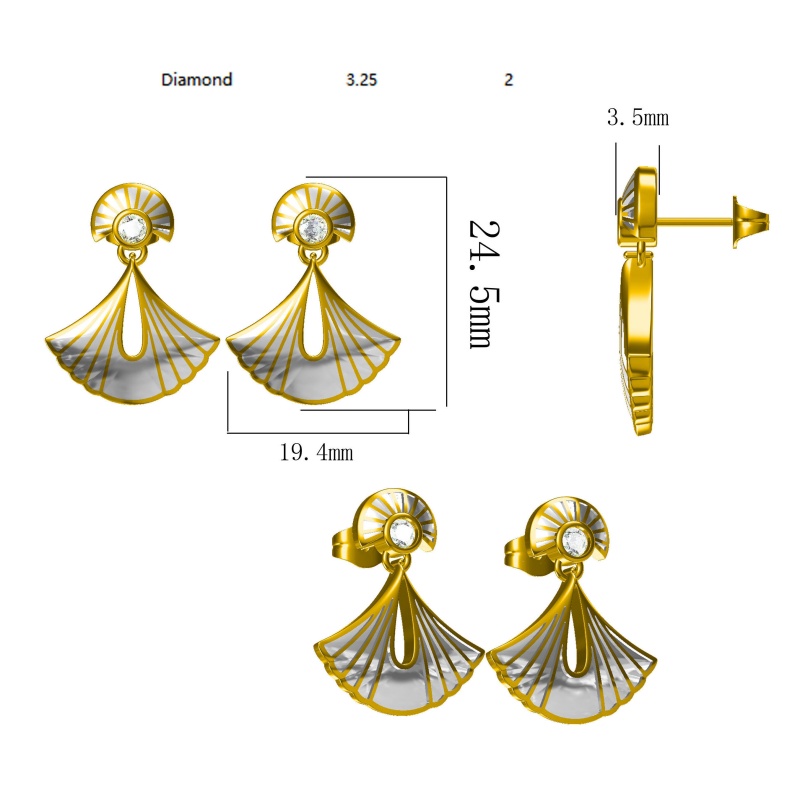
Design Details: Provide detailed descriptions or technical drawings of the necklace designs, including dimensions, weight, and any unique features.

Materials: Specify the type of metal and any additional materials (e.g., gemstones, enamel) that should be incorporated into the design.

Finishing Options: Indicate the desired surface treatments, such as matte, polished, or plated finishes, as these can impact the final look and feel of the necklaces.

Quantity and MOQs: Clearly state the quantity required and inquire about minimum order quantities (MOQs). This can vary significantly between suppliers.

Packaging Requirements: Specify how you want the necklaces packaged, whether for retail display or bulk shipping, to ensure they arrive in perfect condition.

Lead Times: Discuss timelines for production and delivery, as this can affect inventory management and sales strategies.

Installation Guidance for Retail Displays of Necklaces

Installation Guidance for Retail Displays of Necklaces

Effectively displaying metal necklaces in retail environments is vital for attracting customers. Here are some considerations for installation:

Display Types: Choose between various display styles, such as busts, hanging displays, or cases. Each type will serve different aesthetic purposes and space requirements.

Height and Visibility: Ensure that the display is at eye level to enhance visibility. The arrangement should allow customers to easily view and access the necklaces.

Lighting: Incorporate appropriate lighting to highlight the necklaces. Good lighting can enhance the product's appeal and showcase its quality.

Arrangement: Group necklaces by style, color, or theme. A well-organized display can guide customer decisions and encourage cross-selling.

Safety and Security: If displaying high-value items, consider security measures such as locking cases or placement in monitored areas to prevent theft.

Common Problems With Necklace Orders and Their Solutions

Common Problems With Necklace Orders and Their Solutions

Buyers may encounter various issues when ordering metal necklaces. Here are some common problems and practical solutions:

Quality Discrepancies: Occasionally, the received products may not match the quality of approved samples. To mitigate this, always request a production sample before full-scale manufacturing.

Incorrect Specifications: Miscommunications can lead to orders not meeting specifications. Ensure clear documentation of all requirements and confirm these details with the supplier before production starts.

Delays in Delivery: Late shipments can disrupt supply chains. Establish clear timelines and maintain open communication with the supplier to track progress and address potential delays.

Defective Products: Defects can occur during production. Implement a quality inspection process upon receipt, and clarify the supplier's return or replacement policy for defective items.

Customization Challenges: Buyers might face issues with the customization process, such as artwork approval or material selection. Engage in early discussions with suppliers about customization capabilities and procedures.

Applications for Custom Necklaces in Various Industries

Metal necklaces serve diverse applications across multiple industries. Understanding these applications can help buyers tailor their products to specific markets:

Fashion Retail: Custom necklaces are popular in the fashion industry, often reflecting current trends and consumer preferences. Brands can differentiate themselves by offering unique designs.

Corporate Gifting: Many companies use custom necklaces as promotional items or gifts for employees and clients. These pieces can be engraved or designed to reflect corporate branding.

Event Merchandise: Concerts, festivals, and other events often create custom necklaces to commemorate the occasion. These items can serve as souvenirs that enhance customer engagement.

Jewelry Subscription Services: Companies offering jewelry subscription boxes frequently seek unique and customizable necklace designs to keep their offerings fresh and appealing. For related jewelry options, visit our Bracelets & Bangles section.

Special Occasions: Custom necklaces are often used for weddings, anniversaries, and other significant events. Buyers can capitalize on this market by providing personalized options.

By understanding these key aspects of metal necklace manufacturing, purchasing managers and distributors can make informed decisions that enhance their business strategies and product offerings. Whether ensuring quality, finalizing specifications, or addressing common issues, being well-prepared will lead to successful sourcing and customer satisfaction.

How to Evaluate Quality in Metal Necklace Manufacturing

Evaluating the quality of metal necklaces begins with understanding the materials used, manufacturing processes, and quality control measures. A reliable supplier, like Shenzhen Beyaly Jewelry Manufacture Co., Ltd., typically employs various metal materials, including stainless steel, gold, and silver. Buyers should consider the following quality criteria:

Material Specifications: Assess the purity and grade of metals used. For example, 925 sterling silver contains 92.5% silver and is a standard for quality.

Craftsmanship: Examine the intricacy of the design and the skill level of the artisans. High-quality necklaces will demonstrate precise workmanship with attention to detail.

Surface Treatment: The finish and polish can affect both appearance and durability. Check for uniformity in plating, absence of scratches, and overall aesthetic appeal.

Quality Control: Inquire about the supplier's quality assurance processes, including testing protocols and defect rates. A robust quality control system can significantly reduce the risk of receiving subpar products.

Certifications: Ask for any relevant certifications or compliance with industry standards, which can assure buyers of the product's safety and quality. For more information about quality jewelry options, check our Pendants & Necklaces section.

Get a Free Quote

Our representative will contact you soon.
0/1000