Key Specifications for Sourcing Neck Chains

application/neck-chain, application/neck-chain, 
Inquiry
Inquiry

neck chain

Neck chains are a versatile form of metal jewelry that serve various aesthetic and functional purposes in the B2B market. Key considerations for purchasing neck chains include specifications, quality control, costs, and common sourcing challenges. This article will guide you through these critical aspects, helping you make informed decisions as you explore customization options and ensure that your purchases meet your business needs.

Understanding the Quality Control Process for Neck Chains

Understanding the Quality Control Process for Neck Chains

Quality control is crucial in the manufacturing of neck chains to ensure that the final product meets industry standards and customer expectations. Here’s how the quality control process typically unfolds:

Material Inspection: The first step involves checking the raw materials for compliance with specifications. This includes verifying the metal type and ensuring it is free from defects.

In-Process Checks: During manufacturing, periodic inspections should be conducted to monitor the production process. This includes assessing the dimensions, weight, and finish of the chains as they are made.

Final Inspection: Once production is complete, a final inspection is performed. This typically involves checking the chains for any defects, ensuring that dimensions adhere to specifications, and verifying the integrity of the clasp mechanisms.

Sampling: For larger orders, a sample from the batch may be tested for strength and durability. This helps identify any issues that could arise during regular use.

Certification: If relevant, ensure that the manufacturer provides any necessary certifications, particularly if the chains are to be sold in markets with specific compliance requirements.

Engaging with manufacturers who have a robust quality control process is essential for securing reliable neck chains that align with your business’s reputation.

Cost Factors to Consider When Purchasing Neck Chains Wholesale

Cost Factors to Consider When Purchasing Neck Chains Wholesale

Understanding the cost structure of neck chains is vital for effective budgeting and pricing strategies. Key factors influencing the cost include:

Material Costs: The choice of metal significantly impacts the overall cost. Precious metals like gold and silver are more expensive than base metals.

Labor Costs: Skilled craftsmanship can influence pricing. Manufacturers with advanced facilities and expertise may charge higher prices, but they often provide better quality and customization options.

Customization Fees: If you require unique designs, additional costs may be incurred for customization, including design fees and setup charges for specific manufacturing processes.

Order Quantity: Bulk orders typically reduce the per-unit cost, but consider the minimum order quantity (MOQ) stipulated by the manufacturer. This can affect your initial investment.

Shipping and Import Duties: Depending on your location and the manufacturer's location, shipping costs and import duties can add to the overall price. Make sure to factor these costs into your budget.

Market Demand: Trends in the jewelry market can lead to fluctuations in prices. Staying informed about these trends can help you time your purchases effectively and negotiate better prices.

By considering these cost factors, you can make more informed purchasing decisions that align with your financial goals.

Tips for Contractors

Tips for Contractors

For contractors involved in sourcing neck chains, here are some practical tips:

Request Samples: Always request samples before finalizing orders. This allows you to evaluate the quality, weight, and overall appearance of the chains.

Be Clear About Specifications: Clearly communicate your specifications and expectations to the supplier. This reduces misunderstandings and ensures that the final product aligns with your needs.

Inspect Packaging Options: Pay attention to packaging, especially if the chains will be sold in retail settings. Custom packaging can enhance presentation and branding.

Establish a Good Relationship with Suppliers: Building a strong relationship with your suppliers can lead to better pricing, priority service, and flexibility in order adjustments.

Stay Updated on Trends: Regularly monitor jewelry trends to ensure that your selection of neck chains remains relevant and appealing to your customer base.

By following these tips, contractors can streamline the sourcing process and improve the overall purchasing experience.

Common Problems When Sourcing Neck Chains and Their Solutions

Sourcing neck chains can present various challenges. Here are some common problems and potential solutions:

Quality Issues: Poor quality can arise if the manufacturer lacks stringent quality control. To mitigate this, choose suppliers with a proven track record and ask for references or case studies.

Miscommunication on Specifications: Misunderstandings regarding design specifications can lead to unsatisfactory products. To avoid this, provide detailed technical drawings and communicate clearly throughout the process.

Long Lead Times: Delays in production can disrupt your supply chain. Discuss lead times upfront and consider suppliers who offer flexibility and timely delivery options.

Inconsistent Product Quality: Variability in product quality can be a concern, especially for large orders. Implement a quality inspection process or require a certain percentage of products to be sampled for testing.

Shipping and Customs Delays: International sourcing can lead to delays in shipping and customs clearance. Work with suppliers who have experience in your target market’s import regulations and consider using expedited shipping options when necessary.

By proactively addressing these common issues, you can foster a smoother sourcing experience and ensure that your business receives high-quality neck chains that meet your expectations.

Key Specifications to Compare When Sourcing Neck Chains

When sourcing neck chains, several specifications should be examined to ensure product quality and suitability for your brand. Key specifications include:

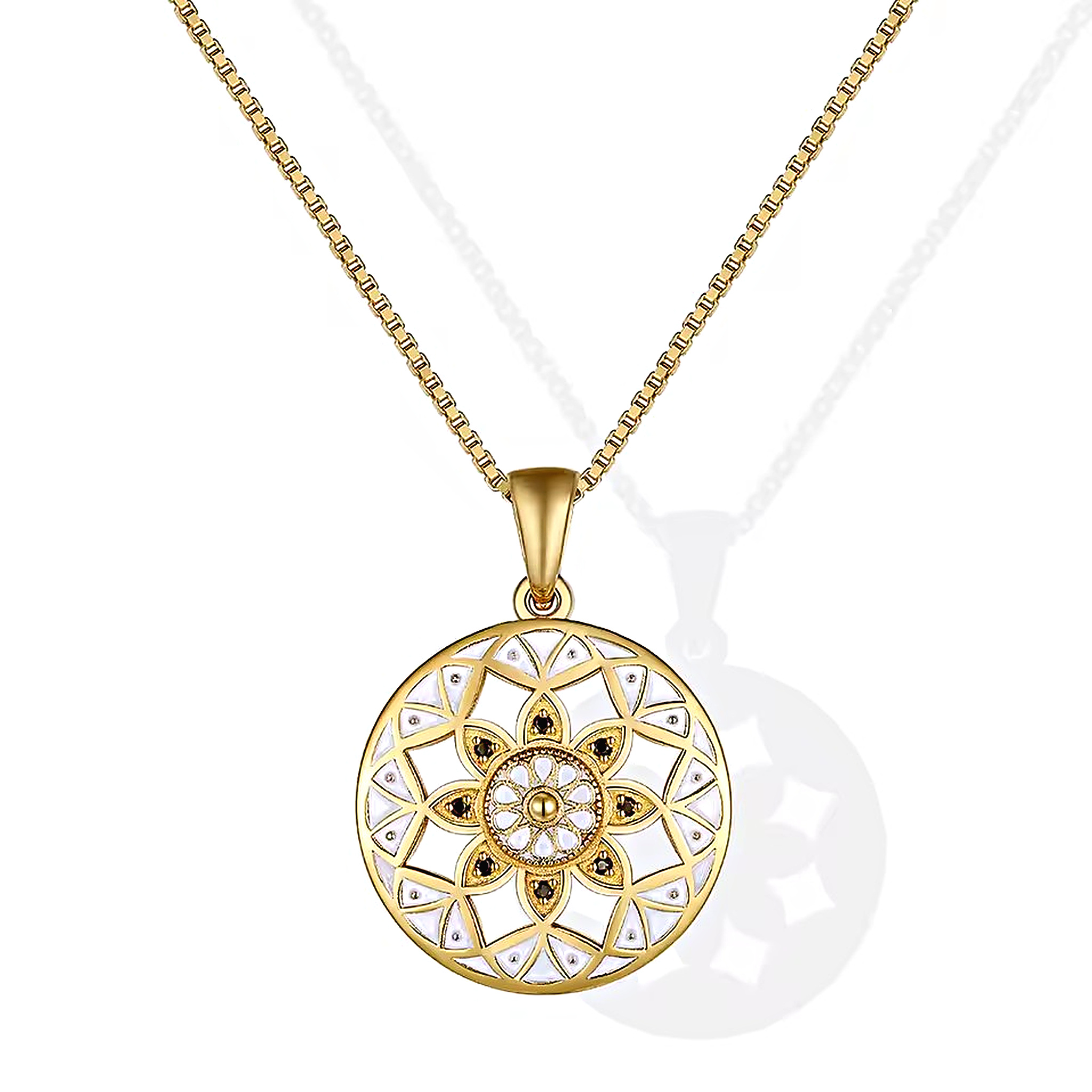
Material: Neck chains can be made from various metals, including stainless steel, silver, gold, and brass. Each material has distinct characteristics affecting durability, appearance, and cost. For instance, stainless steel offers corrosion resistance, while gold provides a luxurious finish but at a higher price point.

Dimensions: Consider the thickness, length, and overall design of the neck chain. Thickness influences the chain’s strength and visual impact. The length should align with current fashion trends and your target market's preferences.

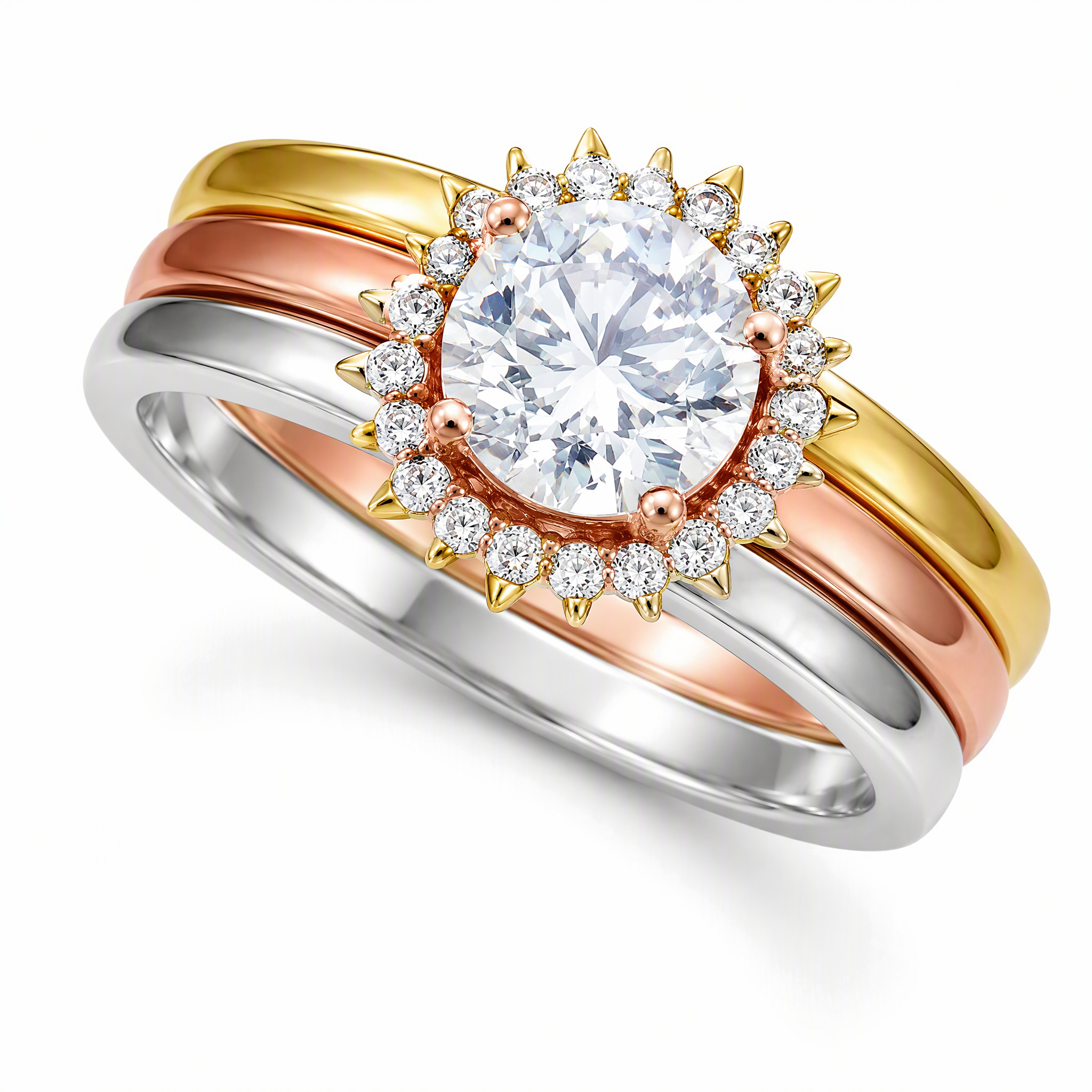
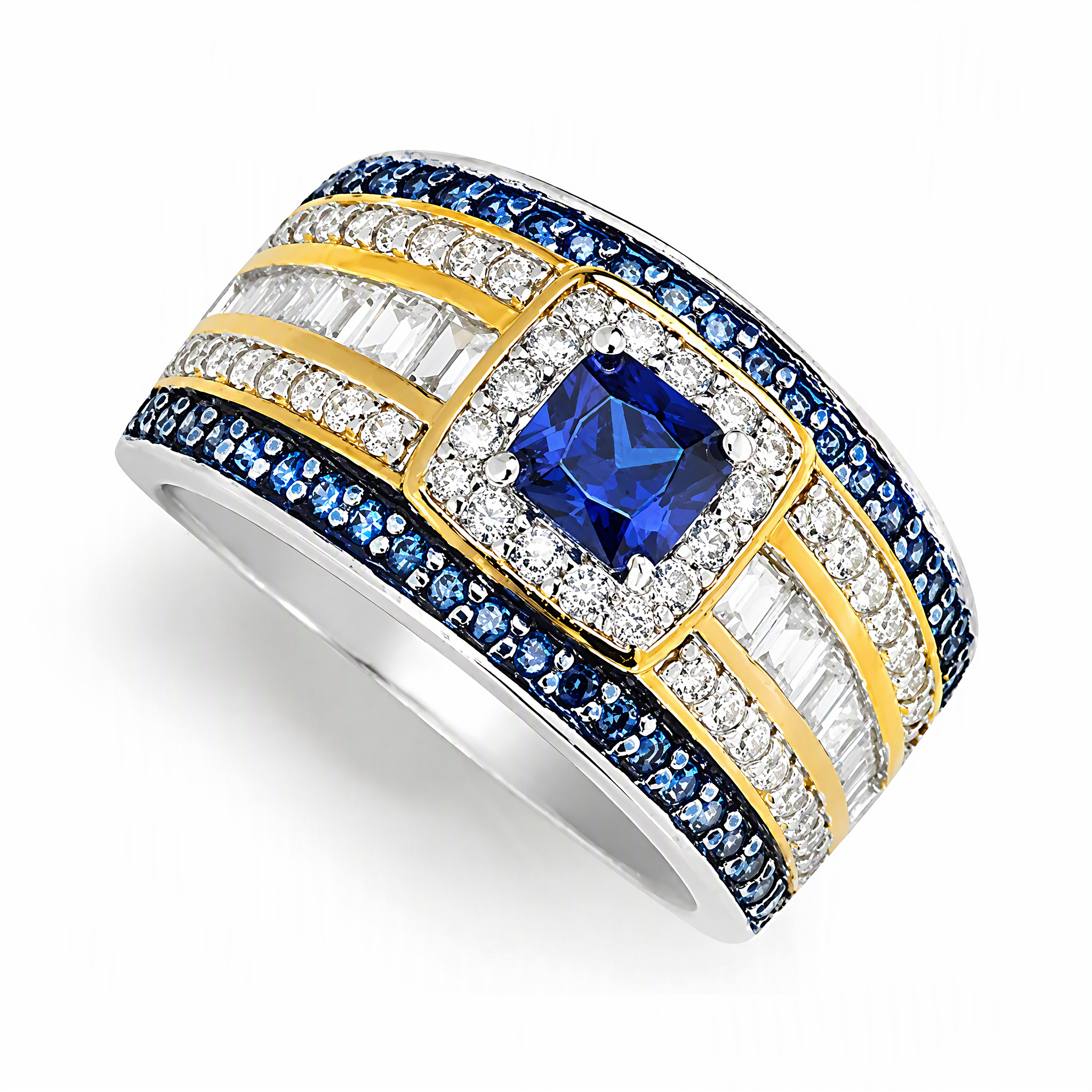
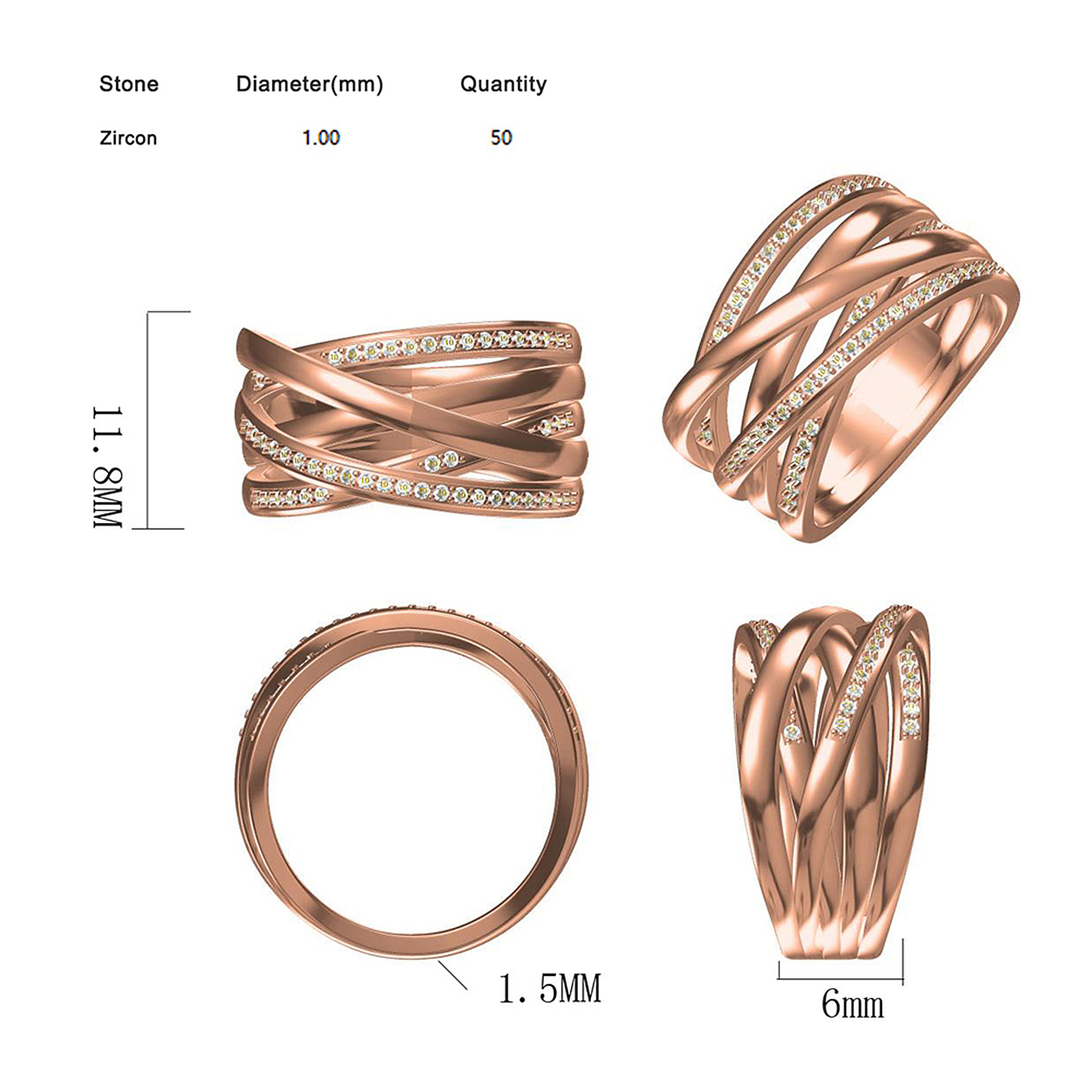
Weight: The weight of the chain can affect comfort and wearability. Lighter chains are often preferred for casual wear, while heavier chains may be chosen for statement pieces. For those looking for a statement piece, consider exploring our Custom Gemstone Rings 925 Silver Radiant Star Yellow OEM.

Finish and Treatment: Surface treatments, such as polishing, plating, or oxidation, can enhance the chain’s appearance and resistance to wear. Ensure that the finish aligns with your brand’s aesthetic.

Clasp Mechanism: The type of clasp used can impact functionality and security. Common types include lobster clasps, spring rings, and magnetic clasps. Evaluate their ease of use and reliability for your intended audience.

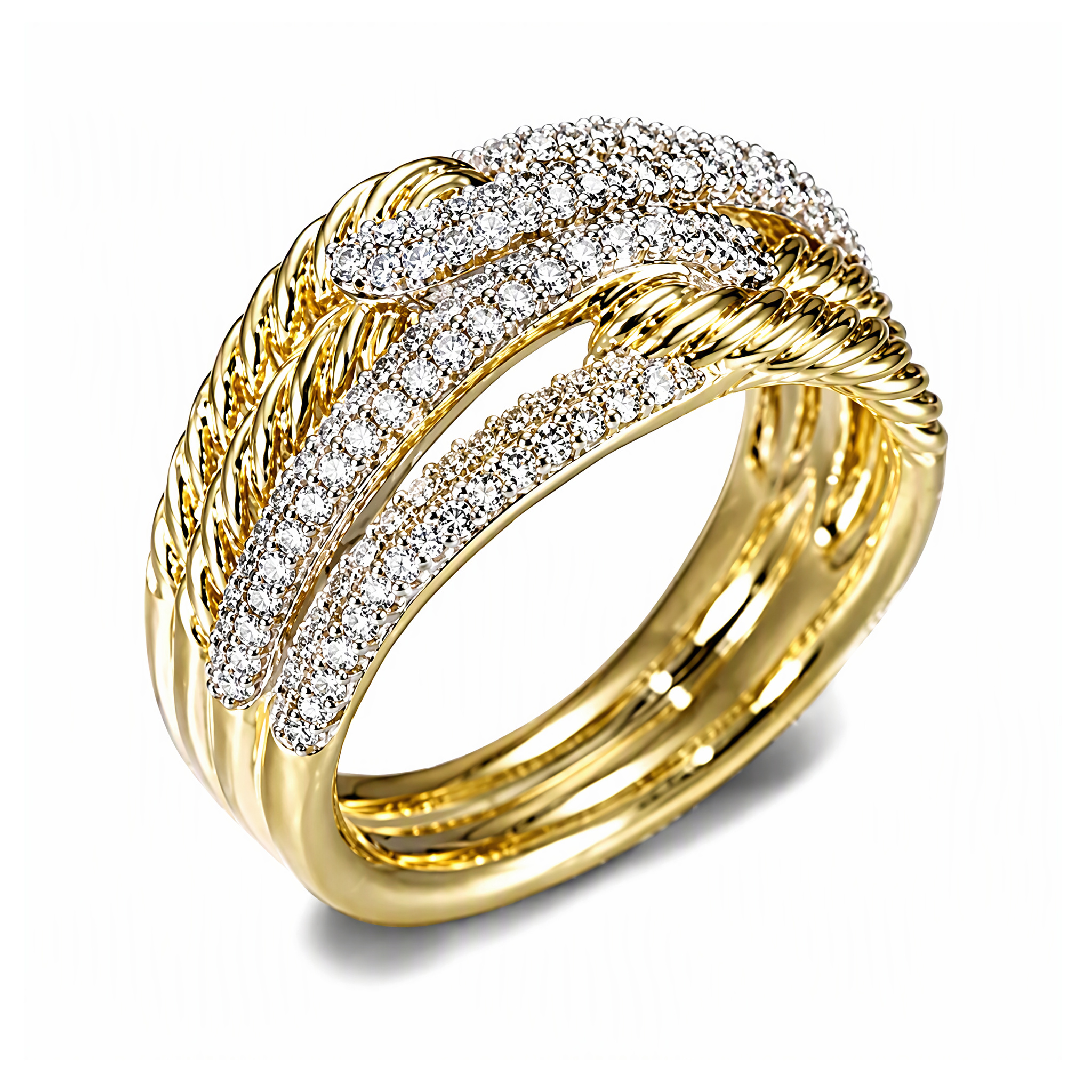
Customization Options: Determine the potential for customization in design and branding, such as engraving or adding specific charms. This can significantly enhance the appeal of the neck chains to your customers. You might also want to consider our Custom Promise Rings 925 Silver Woven Pave Band OEM as a unique customization option.

Understanding these specifications allows you to compare products effectively and choose neck chains that meet your quality and branding standards.

Get a Free Quote

Our representative will contact you soon.
0/1000